- Dec 15, 2025
3 Quick Breath Hacks for a Healthy Pelvic Floor
- Hailey Miller
- pelvic floor, nervous system, breathing
- 0 comments
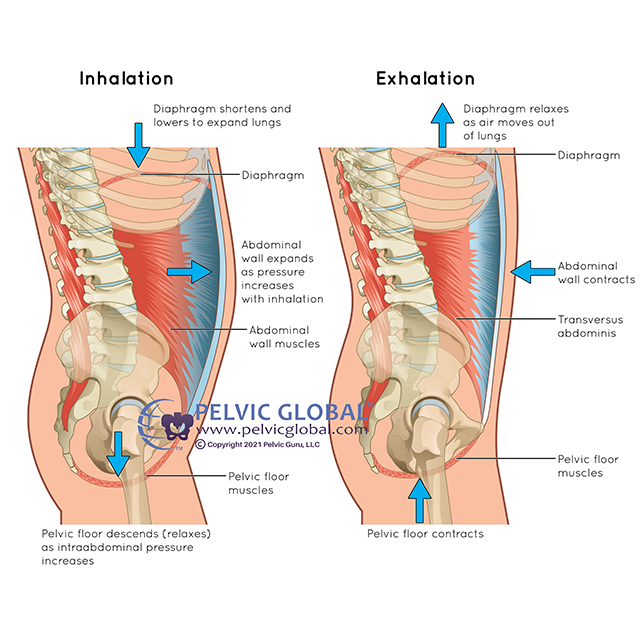
Breathing might seem simple, but it plays a huge role in pelvic floor health. Your diaphragm, core, and pelvic floor work together as a team. When breathing becomes shallow or tense, the pelvic floor often follows.
The good news? Small changes in how you breathe can support pelvic floor relaxation, coordination, and comfort.
Why Breathing Matters for Pelvic Floor Health
Your pelvic floor naturally moves with your breath. When you inhale, it gently lengthens. When you exhale, it recoils. Over time, stress, posture, or pain can disrupt this rhythm, leading to symptoms like leakage, pelvic pain, or difficulty with bowel movements.
These simple breathing techniques can help restore that natural movement.
1. Diaphragmatic Breathing
Diaphragmatic breathing encourages your pelvic floor to move without effort.
How to try it:
* Place one hand on your chest and one on your belly
* Inhale through your nose, letting your ribs and belly expand
* Exhale slowly through your mouth
Aim for 5–10 slow breaths, once or twice a day.
2. Long Exhale Breathing
A longer exhale signals your nervous system to relax, which often helps release pelvic floor tension.
Try this: Inhale for 4 seconds, then exhale for 6–8 seconds. Keep the breath soft and steady.
3. 360-Degree Rib Breathing
Instead of breathing just into your chest or belly, imagine your ribs expanding in all directions—front, sides, and back. This supports full coordination between your diaphragm and pelvic floor.
When to Use These Breathing Hacks
* During moments of stress or anxiety
* Before exercise or intimacy
* When you notice pelvic tension or holding